

UAE records 30pc rise in visa applications in April as travellers opt flexibility
Multiple-entry permits gain traction among frequent visitors
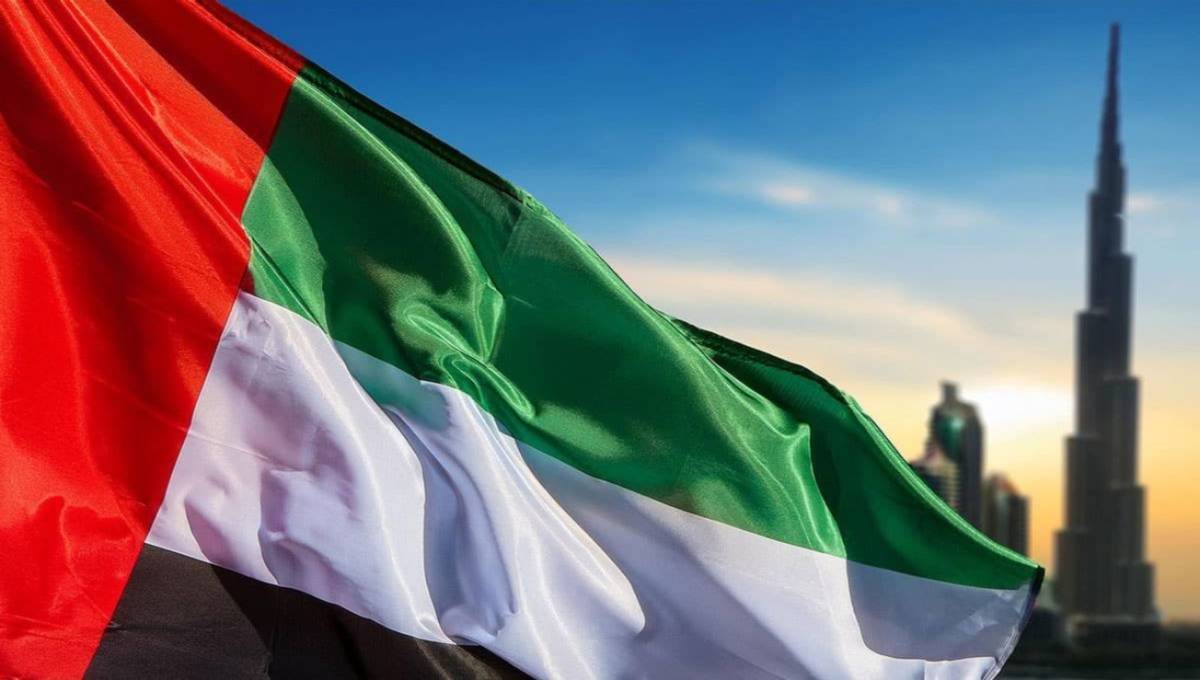
DUBAI – The United Arab Emirates (UAE) has recorded a 30 percent increase in visa applications in April, signalling a steady rebound in travel demand as global travellers return with renewed confidence.
Industry data highlights not only rising interest in visiting the country but also a clear shift in how trips are being planned. The recovery follows a brief slowdown earlier this year, with momentum building through late March and accelerating into April.
Insights from UAEVisaTravel.com, operated by Pinoy Tourism, indicate that travel demand has now reached 30–50% of pre-disruption levels. Weekly growth trends suggest a gradual but consistent recovery, supported by the UAE’s stable infrastructure, operational airports and efficient visa systems.
Demand for UAE visa
The increase in visa applications reflects stronger traveller confidence, particularly after a period of uncertainty in late February and early March. While enquiries briefly dipped during that phase, demand rebounded quickly, pointing to sustained interest in the UAE as a preferred destination.
Imtiaz Hussain Nasir, CEO of UAEVisaTravel.com, said the latest figures indicate a behavioural shift rather than a decline in travel appetite. Travellers, he noted, are approaching trips with greater caution but are not postponing plans entirely.
The rise in April applications aligns with broader global travel patterns, where individuals are prioritising adaptability and speed when making decisions. The UAE’s connectivity and streamlined visa processes continue to support this resurgence.
Changing trends
One of the most notable developments is the growing preference for multiple-entry visas, with applications increasing by 25-30% compared to March. This trend reflects a desire among travellers for greater control over their itineraries, allowing for flexible entry and exit plans.
Demand for add-on services is also rising. Travel insurance and express visa processing have seen an increase of around 20-25%, suggesting that travellers are placing more importance on safeguards and quicker approvals. These services, once considered optional, are now becoming a standard part of travel planning.
The shift is further evident in booking behaviour. The average application-to-travel window has narrowed significantly, dropping from three to four weeks to just 7-14 days. This compressed timeline highlights a more agile traveller, willing to proceed with plans while retaining the option to adjust if necessary.
Faster planning
Industry observers say the evolving patterns reflect a more informed and responsive approach to travel. Rather than delaying trips, travellers are adapting by choosing flexible visa options and faster processing services.
The UAE’s position as a global hub continues to play a central role in sustaining demand. Efficient visa systems, strong connectivity and reliable infrastructure are enabling travellers to make quicker decisions with confidence.
As application volumes rise and planning timelines shrink, the data points to a travel landscape defined by flexibility, speed and evolving consumer expectations, with the UAE remaining firmly on the radar of international visitors.